Why Sustainable Tees Are Trending in 2026

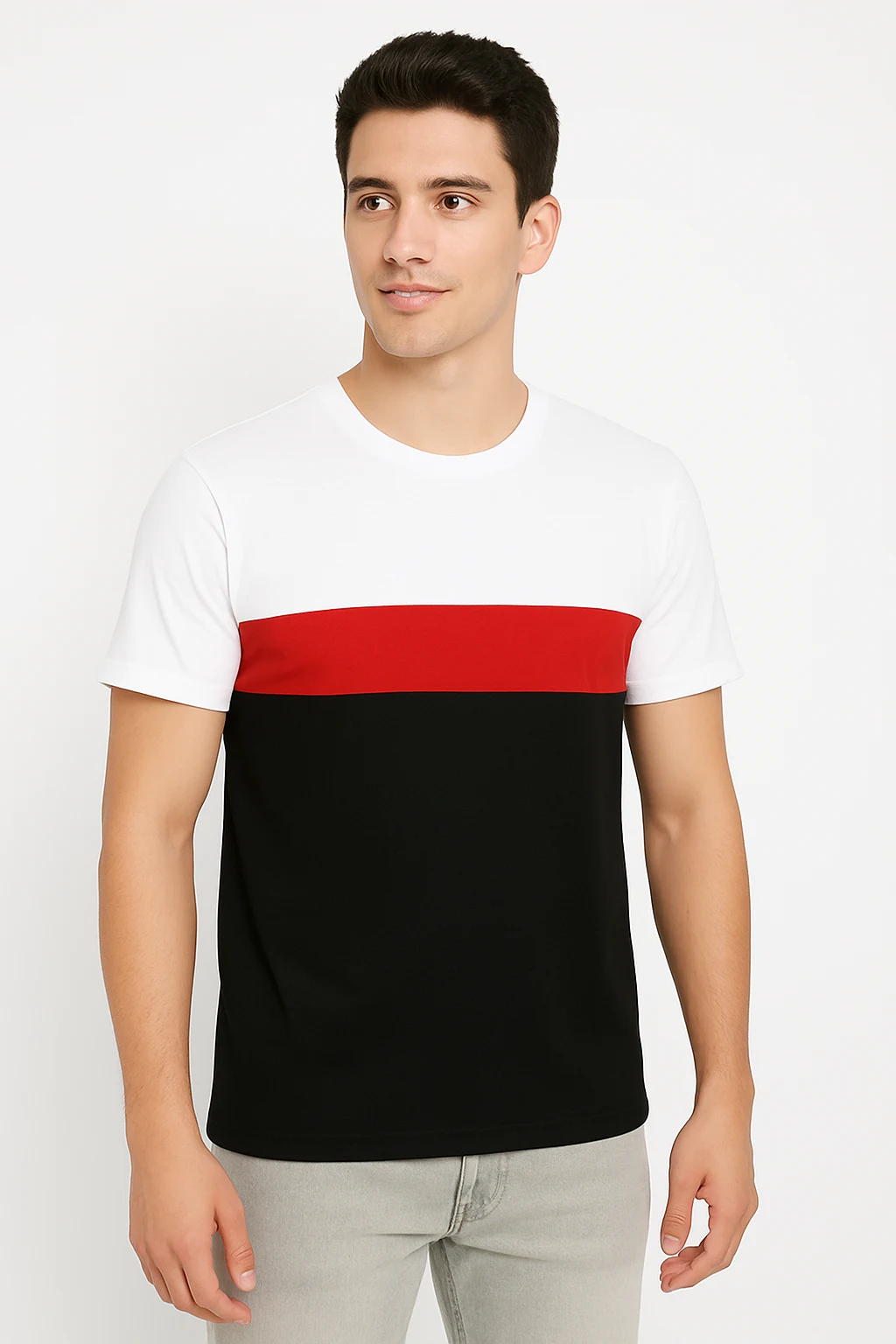
The deeper reasons behind the shift & what it means for your wardrobe and the planet
In 2026, sustainable t-shirts are no longer just a niche idea for a few eco-warriors — they’re a real and influential trend shaping the fashion industry. Everywhere you look, from shopping apps to social media feeds, conversations about eco-friendly tees, organic fabrics, and ethical manufacturing are becoming louder and more meaningful. But why exactly are sustainable tees gaining so much attention? Let’s break it down in a way that’s practical, relatable, and rooted in the real changes we’re seeing today.
1. People Care More About the Planet Than Ever Before 🌍
Today’s shoppers are smarter and more conscious. Many have begun to realize that the clothes we wear don’t just sit in our closets — they reflect values and leave a real impact on the planet.
- More consumers are actively choosing brands with sustainable production practices and eco-friendly materials. Around 43% of environmentally conscious shoppers now prefer brands offering sustainable t-shirt collections. Sustainable tees help reduce waste and pollution compared to fast fashion alternatives.
- The fashion industry has long been criticized for its contribution to global pollution and waste, which pushes people toward environmentally responsible choices in their everyday purchases.
In plain terms: sustainable tees feel better in your hands and on your conscience.
2. Quality Over Quantity — The Rise of Slow Fashion 🧵
We’re moving away from the era where people bought dozens of cheap tees every season. Instead, there’s a growing desire for quality over quantity. Consumers now want products that last longer, feel better, and tell a story — not just a cheap brand tag.
This shift is part of a larger slow fashion movement where people value:
- Long-lasting garments
- Timeless design
- Durability and comfort
The result? People are willing to invest in eco-friendly tees that feel premium and sustainable, rather than cheap tops they’ll toss after a few washes.
3. Eco-Friendly Materials Are Becoming Mainstream 🌿
Sustainable tees are trending because the materials are getting better — and more familiar. Organic cotton, recycled fabric blends, bamboo, hemp, and other eco-friendly textiles are now widely available.
Brands are experimenting with:
- Recycled and upcycled fabrics
- Low-impact dyes
- Regenerative materials grown using soil-restoring farming techniques
These materials not only reduce waste and environmental harm but also tell customers something powerful: “This shirt was made thoughtfully.”
4. Ethical Production Matters to Consumers 🤝
It’s no longer just about the fabric — it’s about the people who make the shirts too.
Modern apparel shoppers are increasingly interested in:
- Fair wages
- Safe working conditions
- Transparent production processes
Brands that share this information openly build trust and loyalty, especially among Millennials and Gen Z shoppers who care about social responsibility.
5. Real Value Becomes More Important Than Fast Price Tags 💡
Another reason sustainable tees are trending is a redefinition of value. People are beginning to see that a cheaper product isn’t always better.
According to trend reports, many shoppers now prefer quality pieces they’ll wear for years over cheap tees that wear out quickly. Over time, high-quality sustainable tees actually offer better value — and consumers are catching on.
6. Social Media and Cultural Values Fuel the Movement 📲
Social trends and online conversations play a huge role too. Influencers, eco-activists, and fashion communities are showcasing sustainable fashion every day — helping turn eco-friendly tees from a “nice idea” into a trendy lifestyle choice.
When people see sustainability being talked about in a positive, stylish way — it encourages more people to care and act. Awareness spread through social platforms fuels demand and helps Google search trends grow.
What This Means for You as a T-Shirt Manufacturer
The sustainable tees trend in 2026 is real, meaningful, and here to stay. It’s driven by a combination of:
✅ Consumer environmental awareness
✅ Demand for ethical production and transparency
✅ Desire for quality over fast fashion
✅ Improved availability of eco-friendly materials
✅ Cultural shifts championed by social media and fashion communities
If your business embraces real sustainability — not just marketing — you’ll connect with a modern customer who values purpose as much as style.